Preventive Care
Night Guards for Grinding
Procedure Description
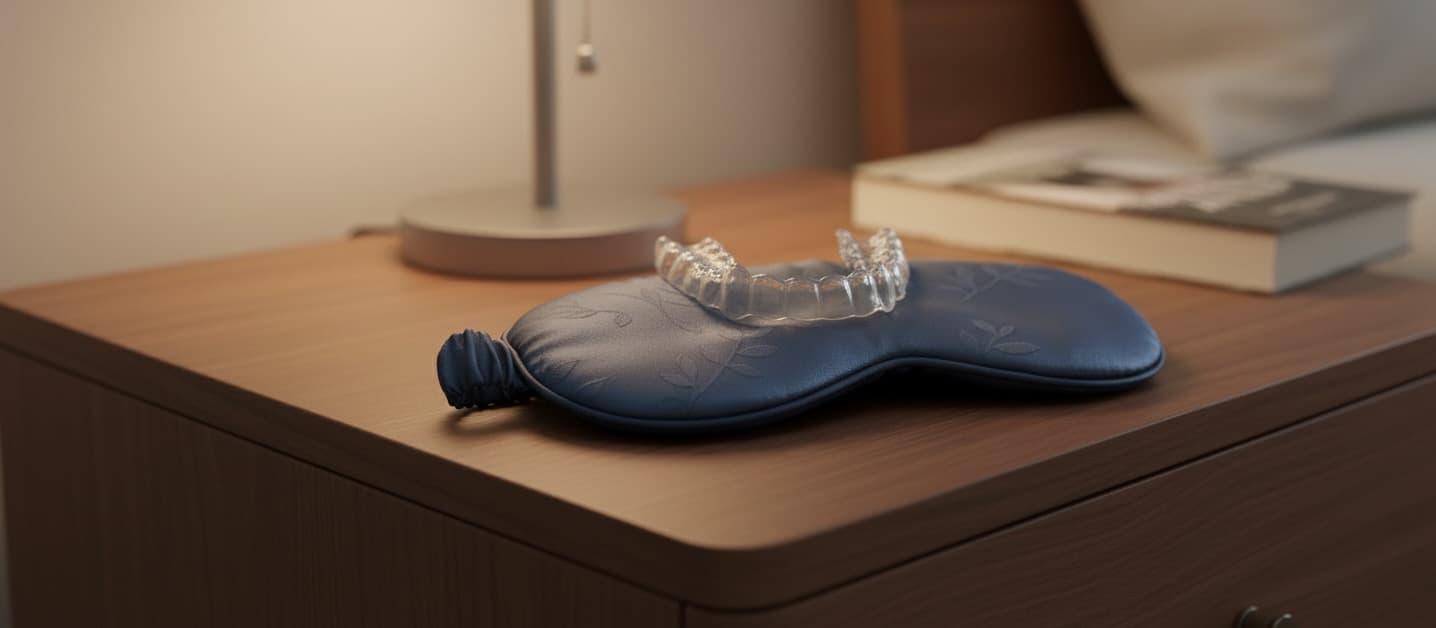
Nightguards have long been essential in providing reliable treatment options for patients suffering from bruxism, stress, and TMJ disorders. They provide a protective barrier that prevents teeth grinding and clenching during sleep, reducing the chances of tooth damage and alleviating associated symptoms like headaches. The introduction of 3D printing technology has revolutionized the production of nightguards. Gone are the days of traditional impressions and lengthy turnaround times. With 3D printing, a patient can be scanned in minutes using intraoral scanners that provide better quality impressions and allow for custom design. The digital file is sent to the lab immediately, reducing both patient discomfort and production time. This technology yields more accurate results compared to traditional impressions, ensuring a precise fit and improved patient satisfaction. The entire process now takes just days instead of weeks.
Indications
Modern nightguards are recommended for patients experiencing bruxism-related symptoms and TMJ disorders:
When to Consider Night Guards for Grinding
Bruxism and Teeth Grinding
Patients who grind or clench their teeth during sleep, causing tooth damage, enamel wear, and fractures. Nightguards provide a protective barrier to prevent further damage.
TMJ Disorders
Temporomandibular joint pain, clicking, popping, or limited jaw movement. Different types of nightguards can be selected based on the specific TMJ condition.
Stress-Related Jaw Tension
Patients experiencing stress-induced jaw clenching and tension, which can lead to headaches and facial pain. Nightguards help relieve this pressure during sleep.
Facial Pain and Headaches
Morning headaches, facial pain, and jaw soreness caused by nocturnal grinding and clenching. Nightguards reduce these symptoms significantly.
Protection of Dental Work
Safeguarding expensive dental restorations like crowns, veneers, and implants from grinding damage that can cause premature failure.
Note: Modern nightguards utilize advanced materials and 3D printing technology to provide superior comfort and effectiveness compared to traditional options.
Benefits
Why Choose Night Guards for Grinding?
Advanced Soft Splint Materials
One of the key breakthroughs in nightguard technology is the development of soft splint materials. Unlike rigid predecessors, these new materials offer enhanced comfort as they soften to fit the patient's mouth. This adaptability ensures a snug fit and makes wearing the nightguard a more comfortable experience. Patients no longer have to endure the bulkiness and discomfort associated with older models.
3D Printing Technology
Modern 3D printing eliminates traditional impressions and lengthy turnaround times. Patients can be scanned in minutes with intraoral scanners that provide superior quality impressions. Digital files are sent to the lab immediately, reducing both patient discomfort and production time while yielding more accurate results and ensuring a precise fit.
Multiple Nightguard Options
Nightguard options have expanded beyond the traditional flat splint. The flat splint offers full coverage for the teeth. The anterior guidance splint includes a ramp for lateral and protrusive guidance. The anterior deprogrammer features a discluding block in the anterior region to relieve facial pain. The anterior repositioning splint brings the lower jaw forward to recapture a displaced disc. Different types cater to various patient needs.
Improved Sleep Quality
Patients report significantly improved sleep quality when wearing modern nightguards. The comfortable fit and protective barrier allow for restful sleep without interruption from grinding or clenching, leading to better overall health and well-being.
Reduced Headaches and Pain
By preventing grinding and reducing jaw tension during sleep, nightguards dramatically decrease morning headaches, facial pain, and TMJ discomfort. Many patients experience relief from chronic headache problems they've suffered with for years.
Bio-Compatible Materials
Modern nightguards use advanced bio-compatible resins that strike a perfect balance between durability and gentleness on the teeth and gums. These materials are designed for long-term wear without causing irritation or adverse reactions.
Alternatives
Traditional Rigid Nightguards
Older-style rigid nightguards have been a source of discomfort and compliance issues for patients. While they provide protection, they lack the comfort and adaptability of modern soft splint materials. Patients often struggle with the bulkiness and rigidity of these older models.
Store-Bought Guards
Over-the-counter boil-and-bite guards lack the custom fit and precise design of 3D-printed nightguards. They cannot be tailored to specific TMJ needs, provide poor contact points, and often cause more problems than they solve including gagging, poor fit, and inadequate protection.
No Treatment
Ignoring bruxism and TMJ disorders leads to progressive tooth wear, enamel loss, tooth fractures, severe TMJ disorders, chronic headaches, and eventually expensive restorative dental work to repair damaged teeth. Prevention with a nightguard is always more cost-effective than restoration.
Botox for Bruxism
Can reduce jaw muscle activity in severe cases but doesn't protect teeth from wear, requires repeated treatments every 3-4 months, and is expensive. Best used in combination with nightguards for severe bruxism rather than as a standalone solution.
Cost & Fee Schedule
Modern 3D-printed nightguards typically cost $400-600, depending on the type and materials used. Many insurance plans cover nightguards at 50-80%. The investment in a modern nightguard is worthwhile considering the superior comfort, faster turnaround time, and better protection compared to traditional options. Contact us to verify your insurance benefits and learn about our 5-day turnaround guarantee.
Frequently Asked Questions
Related Services
Locations Offering Night Guards for Grinding
Available at all Philadelphia Dental locations throughout Philadelphia
Schedule a Consultation
Ready to learn more about this treatment? Contact us today.
Book Appointment