Periodontal Care
Periodontal Health
What is Periodontitis?
Periodontitis is the most common oral health condition worldwide, yet it remains one of the most undiagnosed and underdiagnosed diseases in dentistry. This chronic inflammatory disease affects the gum tissues surrounding your teeth, leading to gum recession and the loss of bone support. Due to its often painless progression, many patients are unaware they have it until significant damage has occurred. Understanding the causes, recognizing the symptoms, and practicing proper prevention are essential for maintaining healthy gums and preserving your natural teeth.
Periodontitis & Prevention
Causes of Periodontitis
Periodontitis develops gradually and is primarily caused by poor oral hygiene habits over time:
Plaque Accumulation
It develops when bacteria called dental plaque begins to accumulate along the gum line.
Toxin Release
The accumulation of plaque triggers the release of toxins that the body reacts to, causing inflammation of the gums.
Inadequate Oral Hygiene
Periodontal disease is often caused by inadequate oral hygiene over an extended period of time.
Note: Early detection is key. Regular dental checkups can identify the early signs of gum disease before it progresses.
Symptoms of Periodontitis
When to suspect periodontitis?
Gum Inflammation
Red, swollen, or tender gums are often the first visible sign of periodontal disease.
Bleeding Gums
Gums that bleed easily during brushing, flossing, or eating indicate inflammation and require attention.
Foul Odor
Persistent bad breath (halitosis) results from bacterial buildup associated with gum disease.
Risks of Periodontitis
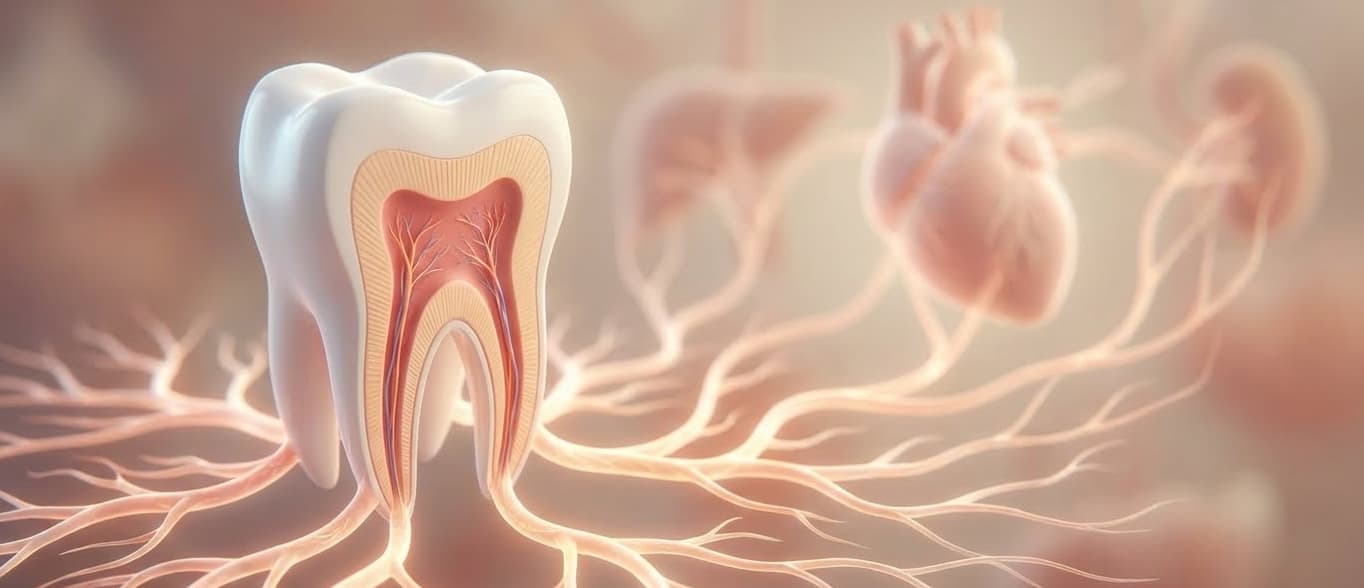
Untreated periodontitis can have serious consequences beyond your oral health. Research has established strong links between gum disease and several systemic health conditions:
Tooth Loss
Advanced periodontitis destroys the bone and tissues supporting your teeth, eventually leading to tooth mobility and loss.
Heart Disease & Stroke
Periodontal bacteria can enter the bloodstream and contribute to arterial plaque buildup, increasing the risk of heart attack and stroke.
Diabetes Complications
Gum disease and diabetes have a two-way relationship—each condition makes the other harder to control and more severe.
Respiratory Infections
Bacteria from infected gums can be inhaled into the lungs, potentially causing pneumonia and other respiratory problems.
Pregnancy Complications
Pregnant women with periodontitis face higher risks of premature birth and low birth weight babies.
Cognitive Decline
Emerging research suggests links between chronic gum disease and increased risk of Alzheimer's disease and dementia.
Prevention
Brush Twice Daily
Brush at least twice a day to remove plaque buildup before it hardens into tartar.
Daily Flossing
Daily flossing will help remove bacteria in between the teeth where your toothbrush can't reach.
Regular Dental Visits
Have scheduled visits to your dentist for professional cleanings and early detection of gum problems.
Frequently Asked Questions
Locations Offering Periodontal Health
Available at all Philadelphia Dental locations throughout Philadelphia
Schedule a Consultation
Ready to learn more about this treatment? Contact us today.
Book Appointment