Periodontal Care
Deep Cleaning (Scaling & Root Planing)
What is Deep Cleaning (Scaling & Root Planing)?
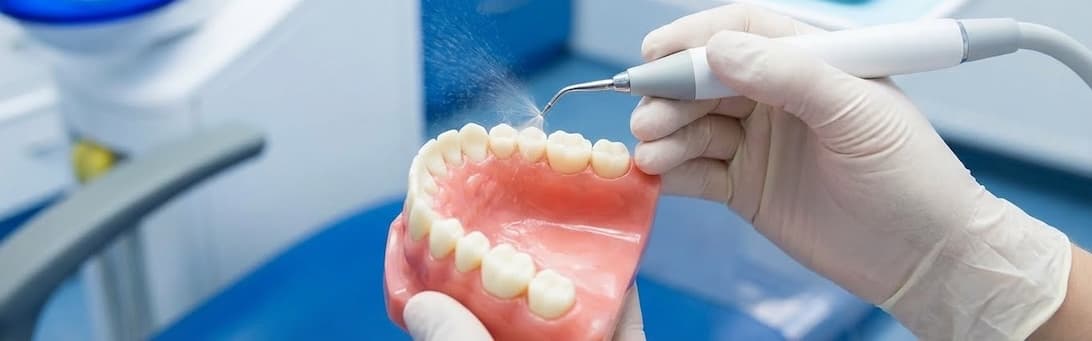
Deep cleaning, also known as Scaling and Root Planing (SRP), is one of the most important yet underutilized procedures in general dentistry. When neglected oral hygiene allows plaque to form below the gum line and onto the surface of the tooth's root, a regular cleaning simply cannot reach these areas. Left untreated, dental plaque hardens into tartar, which causes gum infections, toothaches, tooth decay, and ultimately tooth loss. During your routine dental hygiene visit, our dentists use a periodontal probe to measure the depth of gum pockets as part of periodontal charting. When pocket depths exceed 4mm, it indicates that bacteria and tartar have accumulated deep below the gum line where regular cleanings cannot reach—this is when SRP is recommended. The procedure involves using specialized dental instruments called scalers to thoroughly clean the teeth and gums, removing damaging plaque and tartar from below the gum line and smoothing the root surfaces to help gums reattach to the teeth.
Scaling & Root Planing
When is SRP Recommended?
Deep cleaning (SRP) is typically recommended for patients with anything more than mild periodontitis. The severity of gum disease is quantified by measuring pocket depths during periodontal charting:
When to Consider Deep Cleaning (Scaling & Root Planing)
Moderate to Severe Periodontitis
Pocket depths of 5mm or greater indicate significant gum disease that requires deep cleaning to remove bacterial deposits below the gum line.
Visible Tartar Below the Gum Line
When hardened calculus has formed on root surfaces, professional scaling is the only way to remove it.
Bleeding and Inflamed Gums
Persistent bleeding during brushing or flossing, along with red, swollen gums, often indicates active infection requiring SRP.
Bone Loss Visible on X-rays
Radiographic evidence of bone deterioration around teeth signals the need for aggressive periodontal treatment.
Bad Breath or Taste
Persistent halitosis or a bad taste that doesn't improve with brushing may indicate bacterial infection below the gum line.
Note: Out of all general dentistry procedures, SRP is perhaps the most underutilized with the potential to improve public oral health the most when used in every case where it's indicated. Early intervention can prevent tooth loss and preserve your natural smile.
Benefits of Deep Cleaning
Why SRP is Essential for Gum Health
Stops Disease Progression
Removes the bacterial deposits causing gum disease, halting bone loss and preventing further damage to your teeth and supporting structures.
Prevents Tooth Loss
By treating periodontitis early with SRP, you can save teeth that would otherwise become loose and require extraction.
Eliminates Infection
Thoroughly removes tartar and bacteria from deep pockets, allowing gums to heal and reducing inflammation.
Freshens Breath
Removes the bacterial colonies responsible for persistent bad breath associated with gum disease.
Prepares for Maintenance
Creates a clean foundation for ongoing periodontal maintenance, which is scheduled approximately 3 months after SRP to assess progress and reinforce therapy.
Improves Overall Health
Treating gum disease reduces systemic inflammation linked to heart disease, diabetes, and other health conditions.
Treatment Alternatives
Regular Cleaning Only
Insufficient for patients with periodontitis—regular cleanings cannot reach below the gum line where disease-causing bacteria reside
Antibiotics Alone
May temporarily reduce infection but cannot remove hardened tartar; bacteria quickly return without mechanical debridement
Periodontal Surgery
Required for advanced cases where SRP alone is insufficient; involves surgical access to clean deep pockets and regenerate bone
Laser Periodontal Therapy
Uses laser energy to remove diseased tissue; may be used as an adjunct to traditional SRP
Frequently Asked Questions
Related Services
Locations Offering Deep Cleaning (Scaling & Root Planing)
Available at all Philadelphia Dental locations throughout Philadelphia
Schedule a Consultation
Ready to learn more about this treatment? Contact us today.
Book Appointment